
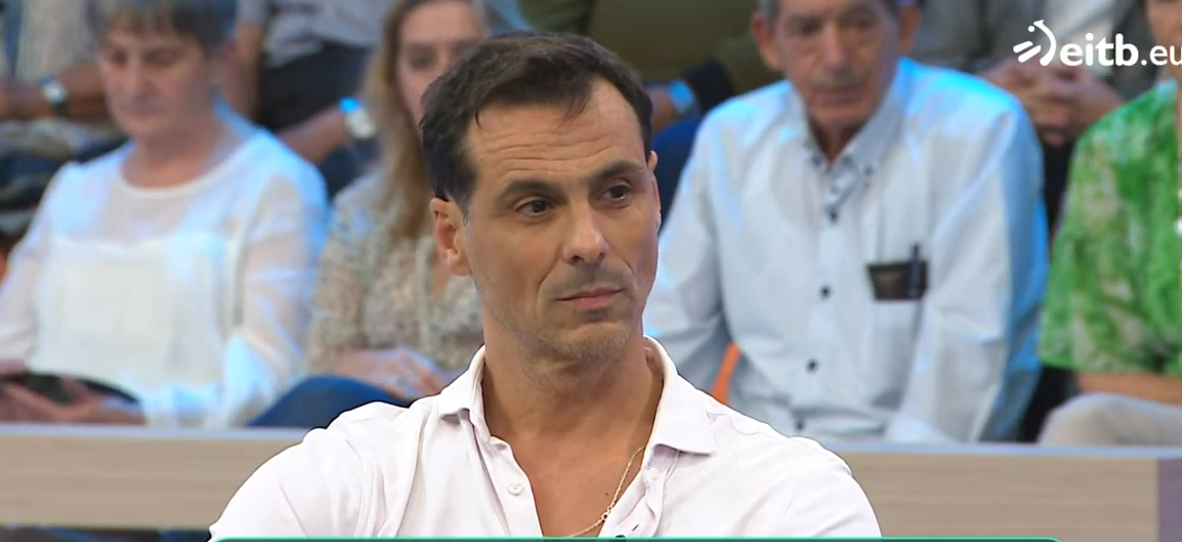
Some dancers retire with bouquets of flowers and a farewell ceremony. Igor Yebra took a more subdued route, leaving the stage ten years ago and keeping his internal conflict to himself. He disclosed this week, at the age of 52, that he has had multiple sclerosis since 2015. He discusses this in a book titled “Why Are We So Stupid and Not Dancing Yet?” that was published by Bao Bilbao. It sounds like a loving critique.
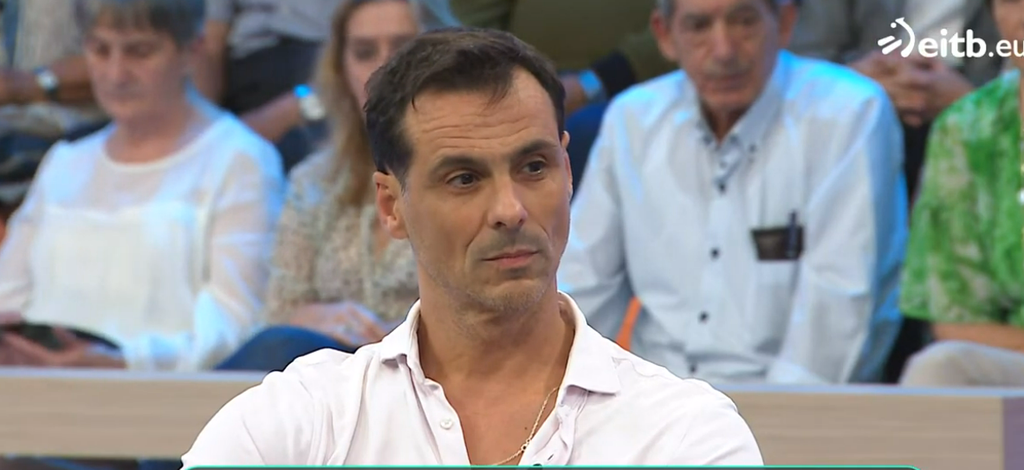
Long before the diagnosis, the story starts. When he began experiencing pain in his left leg in 2013, he assumed that it was due to the wear and tear of his profession, which makes sense for someone who had trained for half of his life. Every day, a dancer’s body complains, but no one is concerned about a sore muscle. In 2015, a lumbar puncture gave the condition a name at last.
The next part of the story is the most human. He didn’t want to know what he had, Yebra clarified. He would rather take the prescribed medication and continue dancing because he was afraid the illness would prevent him from doing so. He accidentally learned of the diagnosis two years later when a physician neglected to mention it. It is difficult to judge that choice; many people might make the same choice if their entire identity hinged on the capabilities of their legs.
| Detalle | Información |
|---|---|
| Nombre completo | Igor Yebra Iglesias |
| Profesión | Bailarín, coreógrafo, maestro y escritor |
| Fecha de nacimiento | 1 de agosto de 1974 |
| Lugar de nacimiento | Bilbao, España |
| Edad | 52 años |
| Formación | Escuela de Víctor Ullate, Madrid; Real Conservatorio Profesional de Danza Mariemma |
| Compañías destacadas | Teatro Colón, Scottish Ballet |
| Papel recordado | Iván el Terrible |
| Enfermedad revelada | Esclerosis múltiple, diagnosticada en 2015 |
| Primeros síntomas | 2013, molestias en la pierna izquierda |
| Libro | ¿Por qué somos tan estúpidos y no estamos ya bailando? (Bao Bilbao) |
| Escuela de danza | Fundada en Bilbao en 2006 |
| Cargo en Uruguay | Director del Ballet Nacional Sodre (2018-2020) |
| Proyecto actual | Concurso de danza clásica para niños en Montevideo |
| Matrimonio | Anne Igartiburu (boda el 10 de septiembre de 2004; divorcio en 2006) |
| Lugar de la boda | Ermita de San Juan de Gaztelugatxe, Bermeo |
| Hijas | Noa Yebra (hija adoptiva de Anne Igartiburu, con sus apellidos) y una niña nacida hacia 2016 |
When the symptoms worsened by 2021, he started a treatment that had obvious side effects. He claims that he was unable to maintain the secret after that. He says he covers it up with a little showmanship, but walking is difficult now that his left leg is the most affected. It’s a disarming comment, but it’s also typical of a performer. He claims that only when he is focused on his computer can he temporarily forget about the illness. He acknowledges that the fear of deterioration is what consumes his thoughts.
It is important to keep in mind who he is. He was born in Bilbao in 1974, trained under Víctor Ullate in Madrid, and performed with groups like Scottish Ballet and the Teatro Colón. He is best known for being the Tsar in Ivan the Terrible. In addition to directing Uruguay’s Sodre National Ballet from 2018 to 2020, he established his own school in Bilbao in 2006. He is currently in Montevideo getting ready for a competition aimed at introducing kids to classical dance, which is a testament to the way he chooses to focus his energies.
His name is still associated with his short-lived union with Anne Igartiburu. He waited for forty-five minutes at the base of the shrine before they were married on September 10, 2004, at the hermitage of San Juan de Gaztelugatxe in Bermeo. Early in 2006, they parted ways, and their divorce was amicable. Noa, the daughter Anne had taken in as a single parent, received Yebra’s last name.
The way he has spent the remainder of his life may be the most revealing feature of his personality. In a 2022 interview, he disclosed that he had a six-year-old daughter and gave an explanation for why he does not post about her on social media: she will eventually decide whether or not she wants to be in the spotlight. A man who takes such precautions to keep his loved ones safe is reluctant to talk about himself. This book is more significant than a simple confession because of this.
Even he is unable to forecast how his health will develop. However, it is difficult to see this choice as an act of surrender rather than a sign of exhaustion with secrecy. He still directs, teaches, and now writes. Meanwhile, the title of his book practically instructs us all.
