
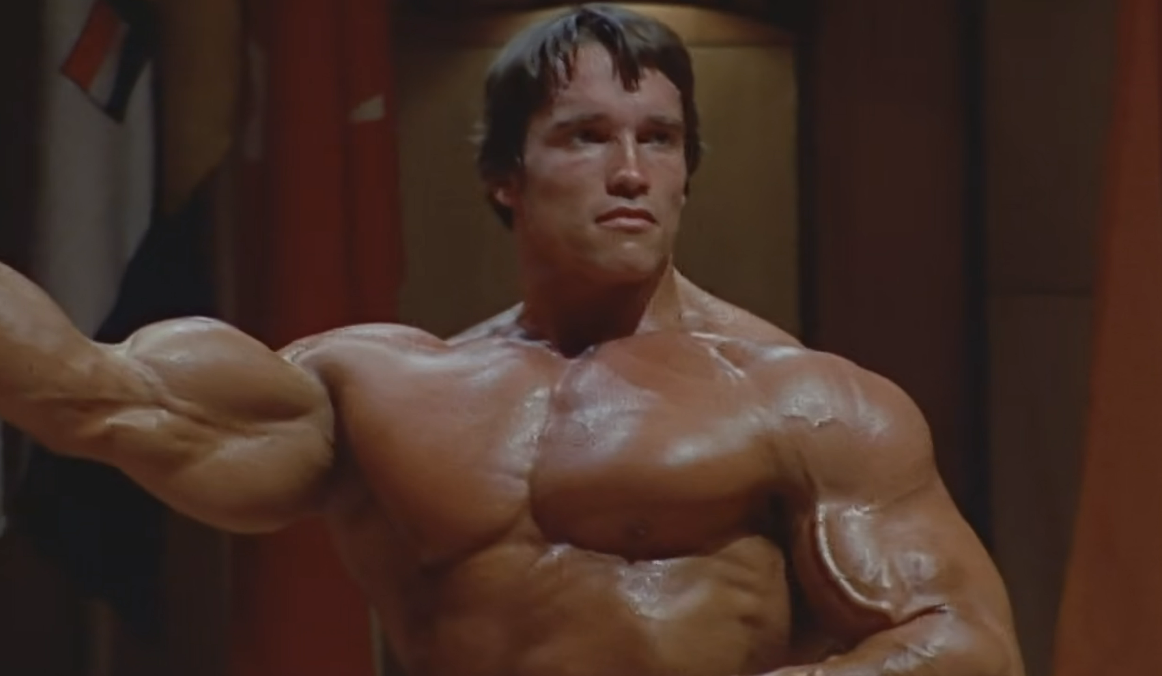
Arnold Schwarzenegger has talked about a certain moment more than once, and it stays with you. He was a teenager in Austria after the war. He was watching a documentary about the United States in a classroom. The economy of the country was still getting better. There weren’t many chances. On that day, though, something clicked for him: a clear and specific goal. He had no idea how to get there. He was sure of his path. He has said that that moment of clarity changed everything that followed.
This is where most people get their motivational Arnold Schwarzenegger quote about vision from: “All I know is that the first step is to create a vision, because when you see the vision—the beautiful vision—that creates the want power.” “Want power” is the phrase that people often miss. Not strong will. It’s not discipline. Need power. The idea is that you don’t need to force yourself to be motivated if you can picture where you want to go. When you see something, you don’t push yourself toward it; you’re pulled toward it.
A bodybuilding magazine gave him ideas for how to live his life. The cover showed Reg Park, a man from Leeds who worked out five hours a day and went on to star in Hercules movies in Rome. Based on what he read, Schwarzenegger planned his own life: he would become a bodybuilding champion, move to the United States, and start making movies. It wasn’t vague or motivational in the way that a poster-quote might be. It was made of stone. Ordered list. Nearly operational. “From that moment on,” he said, “no matter how hard I had to work or how much I had to struggle, it didn’t matter, because I knew what the purpose was.”
Have a vision, think big, ignore the haters, work your ass off, and give back. These are his five rules for success, and you hear them so often that they become background noise. But it’s worth taking your time for the specifics behind them. If he went to Hollywood, agents would tell him that he was too big, had a bad accent, and couldn’t say his last name. To be fair, they weren’t wrong about any of those things. He took classes in acting, English, and even how to get rid of his accent. He didn’t stop. Then James Cameron cast him in The Terminator in part because of his accent, which made him sound like a machine, which was perfect for the part. Things that they said would be bad turned out to be good.
It’s hard not to notice how his philosophy has stayed the same in wildly different areas, like bodybuilding, movies, and politics in California. The center didn’t really move. Vision comes first, then work, and finally endurance against any opposition that comes up. He told people in Sydney in 2014 that if you don’t have a vision, you’ll drift, and that drifting makes you unhappy not because life gets harder, but because you have nowhere to go. Not north. The daily grind turns into just that: grinding with no end in sight.
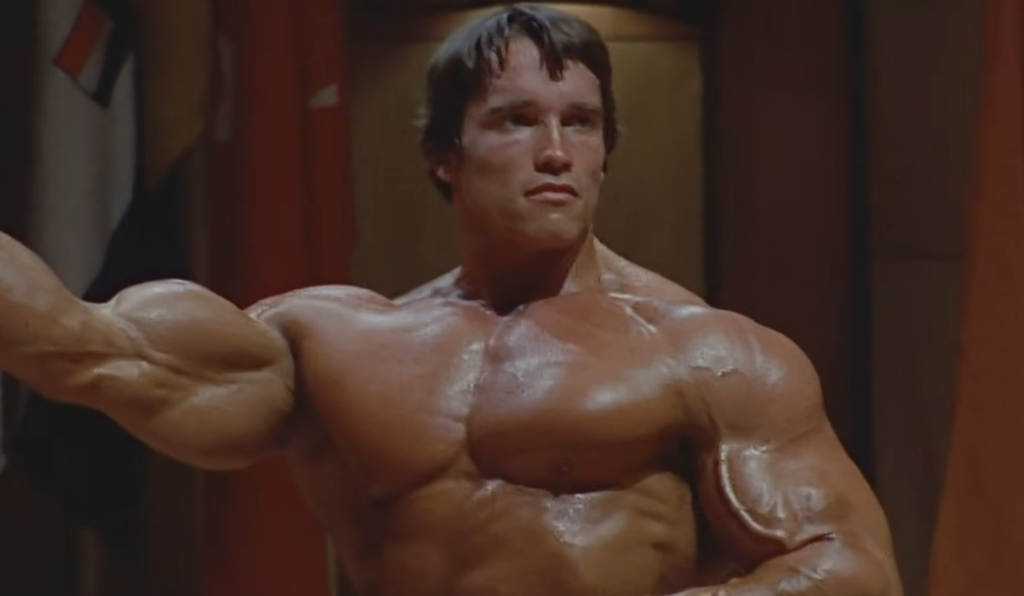
He talks about all of this in a way that feels steady. He does not say that the vision will guaranty success. He says it makes the hard work bearable and even important. “If you want to turn a vision into reality, you have to give 100% and never stop believing in your dream,” he wrote. That doesn’t work like magic. That word is more like a description of what real sustained effort feels like when you want it to go somewhere. He was able to handle the reps at the gym, the construction work, the college classes, and the acting lessons at midnight because he could see where he was going.
He’s also famous for saying, “Just like in bodybuilding, failure is also a necessary experience for growth in our own lives, for if we’re never tested to our limits, how will we know how strong we really are?” This quote shows how he felt about failing. It’s possible that it’s easier to say than to do in real life to see failure as necessary rather than embarrassing. But Schwarzenegger’s career has also been put to the test many times, and he has usually kept going without stopping to think about whether the goal was still important.
People sometimes think of his bigger message about giving back as the required ending to a success story. But he talked about it in the same straightforward way he talks about everything else. He tells you to take down the mirror. Do not look at yourself anymore. When helping others becomes a habit, it stops feeling like a duty and starts to feel like a purpose that goes out into the world. Since the last rule is about something bigger than the self, it makes sense for someone whose life is based on this idea.
