

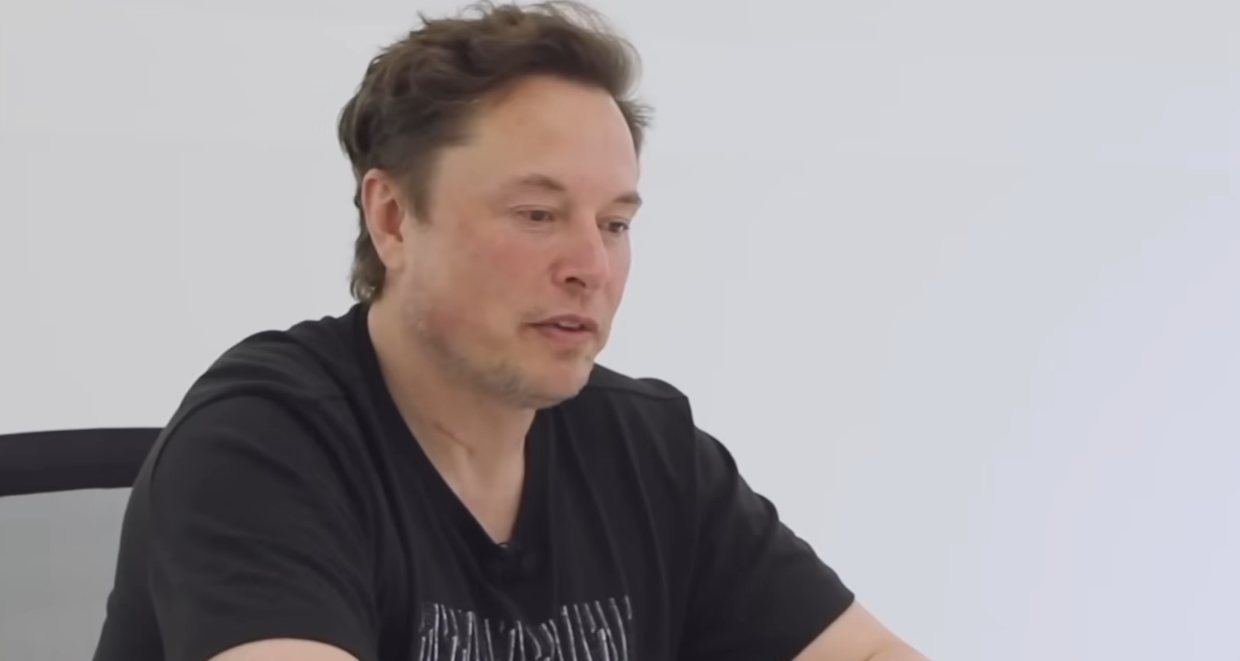
SpaceX’s Falcon-1 rocket failed for the third time in a row in 2008. The business almost ran out of money. Tesla was losing a lot of money. Elon Musk had to borrow money to pay for basic things while he was going through a divorce. While they were there, most people would have left or at least stopped. Musk didn’t do it. He finally got enough money together to try a fourth launch, which worked. When you think about it now, that series of events tells you more about his personality than almost any interview he has done.
Does Elon Musk think that he can get better? Yes, pretty clearly in a technical and operational sense. He has been very open about how he solves problems by starting with what he calls “first principles,” or getting to the bottom of a problem to find its most basic answers instead of just copying what other people have done. He didn’t believe what most people thought when he started building rockets at SpaceX, which was that rocket parts were just too expensive. He did his own research on the prices of cobalt, nickel, aluminum, and polymers, and found that the base prices were a small part of what they were on the market. Being open to questioning what most people think is true is what that way of thinking requires. That’s what a growth mindset is all about.
| Detail | Information |
|---|---|
| Subject | Elon Musk |
| Key Companies | SpaceX, Tesla, SolarCity, X (formerly Twitter) |
| Core Thinking Strategy | First Principles Thinking — breaking problems down to fundamental truths |
| Growth Mindset Evidence | Self-taught in rocket science and advanced manufacturing; treats failures as data |
| Notable Failure Turned Success | Falcon-1 failed three times; fourth launch succeeded after Musk borrowed money to continue |
| “Less Wrong” Philosophy | Believes the goal is not to be right, but to progressively reduce being wrong over time |
| Thinking in Probabilities | Assessed SpaceX and Tesla as having less than 50% success probability, but pursued them due to importance of objective |
| Interpersonal Limitations | Shows fixed mindset tendencies when facing public criticism or interpersonal conflict |
| Learning Style | Intense reading, consulting domain experts, asking foundational questions |
| Low Point | 2008: Three failed rocket launches, Tesla near bankruptcy, personal financial crisis, divorce |
| Recovery | Secured funds for Falcon-1’s fourth launch; Tesla eventually became world’s most valuable automaker |
| Mindset Assessment | Strong growth mindset in technical/engineering domains; less consistent in leadership and personal feedback |
| Peter Diamandis Observation | Describes Musk’s intensity as energizing rather than draining, focused on mission over ego |
He has also talked about a way of life that tries to be “less wrong” over time instead of just right. You should think about that frame. It takes error as a starting point and judges your progress by how often you lower it. This is shown in a very real way by SpaceX’s iterative approach to rocket testing, in which early explosions are seen as data rather than disasters. It seems like failure was always going to be a part of the process when you’re near the launch sites in South Texas and see a prototype fail while the engineering teams start debriefing right away. It’s not common for businesses to do that. It takes a real institutional belief that setbacks can teach us something.
Another part of this is his ability to learn on his own. Musk had never been trained in either electric cars or rockets when he decided to make them. He did a lot of research, hired experts, and asked questions that most executives in his position would have given to someone else to answer. Peter Diamandis, who has known him for more than twenty years, has said that this level of intensity is above and beyond normal ambition. He calls it a “focused immersion” that helps him learn technical topics quickly and deeply. In fact, this habit might be what makes him unique, not any particular skill.
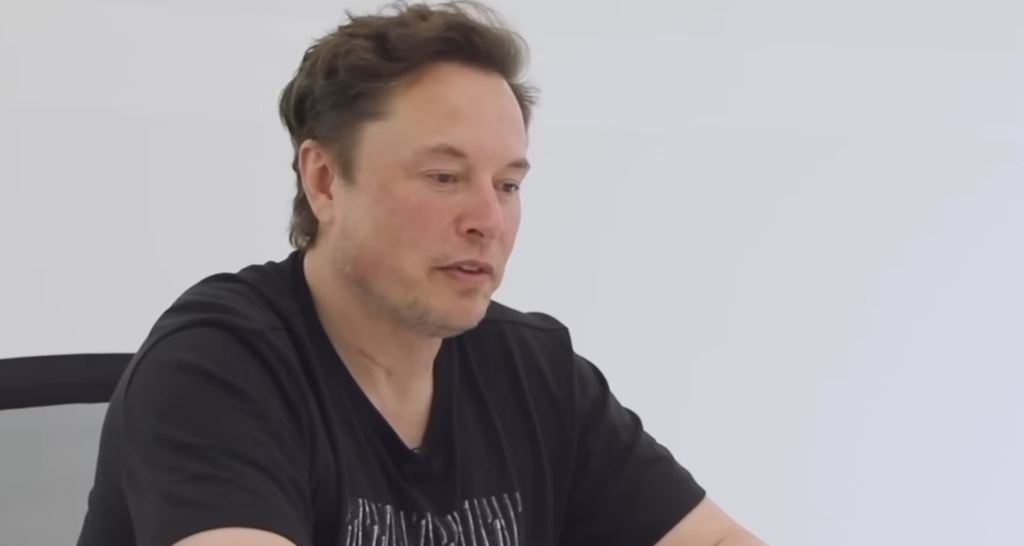
But outside of engineering and physics, things are less clear. Analysts who have looked into Musk’s leadership style say that he can have what seems like a fixed mindset when he has to deal with criticism, public disagreement, or problems between people. He has defended himself against critics in ways that don’t seem like they are interested and more like they are ignoring them. When someone says they want to be “less wrong,” their actions don’t always match their words. This is especially true when the feedback is about them personally and not about a product or system. It’s still not clear if that gap is a real blind spot or just the complicated nature of being a public figure under a lot of pressure.
There’s also the issue of how much failure is okay. Musk often says that failing is okay and even helpful. But stories from inside his companies show that failure in the wrong situation—like missed production goals or teams that aren’t doing their jobs—leads to a very different response than the patient, iterative one he talks about in public. It’s important to remember that public philosophy and internal culture don’t always match. That gap is there in some way in most businesses, but it’s easier to see at Musk’s size.
What really matters is that his way of thinking in the technical area is in line with Carol Dweck’s original growth mindset principles: he welcomes challenges, learns through repetition, and doesn’t take his first failure as the end of the story. A different, less clear question is whether that applies to all of his actions as a leader and public figure. Growth mindset isn’t a type of person. It is a habit. And, as with most habits, some people do it more often in some rooms than others.
