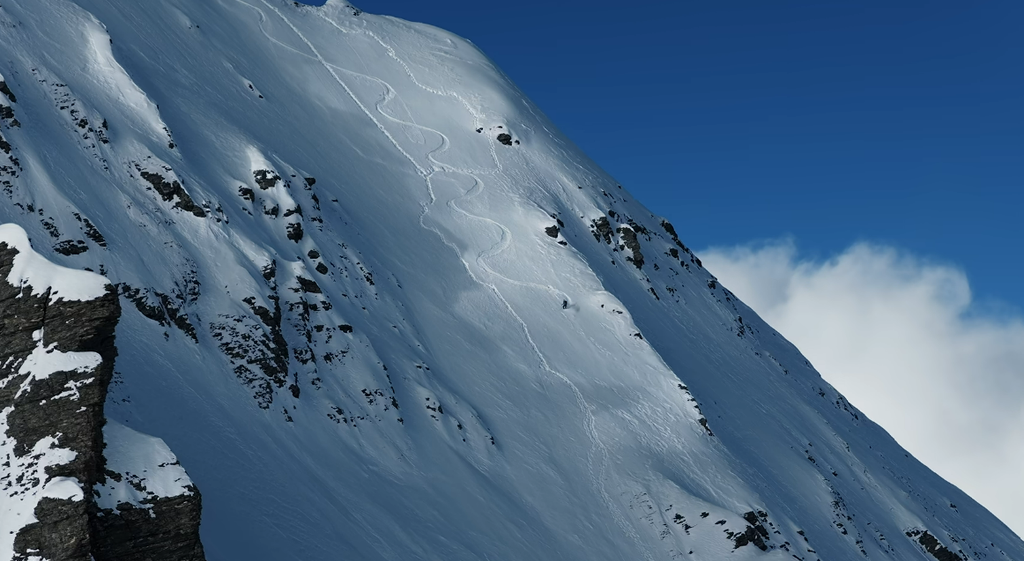

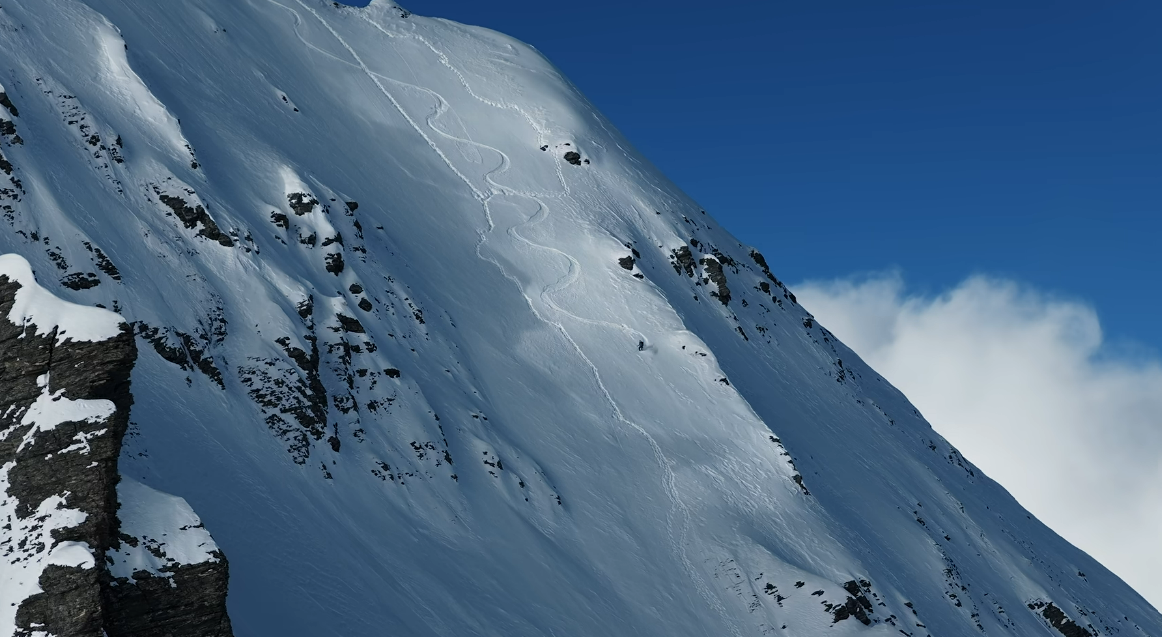
Fear shows up at some point during a high-altitude climb, maybe above 6,000 meters, or maybe on a very exposed ridge where the wind is pulling at your jacket and the next anchor doesn’t feel sure. Not the mild anxiety that comes from a tough day at work or a bad conversation. Fear for real. The kind that sends hormones all over the body and messes up time. It’s not always physical strength or technical skill that makes the difference between climbers who make it and those who don’t. It has to do with what they do next for thirty seconds.
People who regularly climb the world’s most dangerous peaks are elite mountaineers. They have a relationship with fear that most people never reach. They don’t try to stop it. They don’t act like it’s not there. Instead, they read it carefully, like an engineer reads a warning light—as information to be read, not as a reason to freak out. Based on interviews with professional mountain climbers and published in BMC Sports Science, Medicine and Rehabilitation, the study found that experienced climbers always saw fear not as a problem but as a mental signal that makes them think more carefully about the risks they are taking. They thought more deeply when they were scared, not less.
This difference is more important than it looks. When you’re scared, your body reacts pretty much the same way whether you’re on the edge of a cliff or nervous about a job interview. Epinephrine floods the body, speeding up the heart rate and making it harder to focus. How it is interpreted changes, and how it is interpreted is very important in mountaineering. If a climber sees fear as weakness, they might push through something they should leave. If a climber sees fear as information, they stop, think, and ask a different question: what is the mountain telling me right now?
One good example of how this works in real life is the idea of retreating. When you’re competing, going back usually means you failed. In mountaineering, the most experienced climbers say something very different: they say that backing down when conditions call for it isn’t a sign of weakness, but rather the result of a mental assessment that went one way instead of another. A lot of the professional climbers the BMC study talked about this very clearly: when fear came up, the first thing they thought about wasn’t “how do I push past this?” The question was, “is this risk reducible, and if not, do we go back?” The choice to go down is no longer an emotional give up; it becomes a strategic output.
Something psychological is going on here that’s simple to miss. Even the best climbers aren’t fearless. That’s not true, and researchers have fought against this myth in the news about extreme sports. Mountain climbers feel scared the same way everyone else does. What makes them different is how well they’ve practiced separating the informational part from the emotional part. Fear lets you know something is not right. You don’t get a message telling you what to do. Figuring out what the information means and how to react is the second step. This is where training, experience, and mental toughness come together.
It’s important to be honest about the tension because confidence is a big part of this. Mountain experience boosts confidence, and confidence makes it easier to move and make decisions when you’re scared. But being too sure of yourself is also dangerous. Years of high-stakes climbing can make you feel like danger is normal. A climber who has done something dangerous twenty times may not be as careful as a climber who has only done it five times. Several researchers who study mountaineering psychology have said this directly: facing your fears instead of ignoring them has to be a deliberate action that doesn’t just happen over time.
This way of thinking—seeing fear as a sign instead of an enemy—might be one of the most useful lessons that extreme sports teach. There isn’t much room in the mountains for the kind of emotional avoidance that helps people get through hard times in everyday life. At a high altitude, there are no distractions. The fear is always there, waiting to be read correctly or wrongly because it is so strong. For some reason, that makes sense, even from afar.
Elite climbers seem to know intuitively, and research is slowly catching up with them: being afraid in a really dangerous place is a sign of intelligence. The body has judged something before the mind has had a chance to fully think about it. There’s no question of whether to feel it or not. In this case, the question is whether you can pay attention to what it’s saying.