
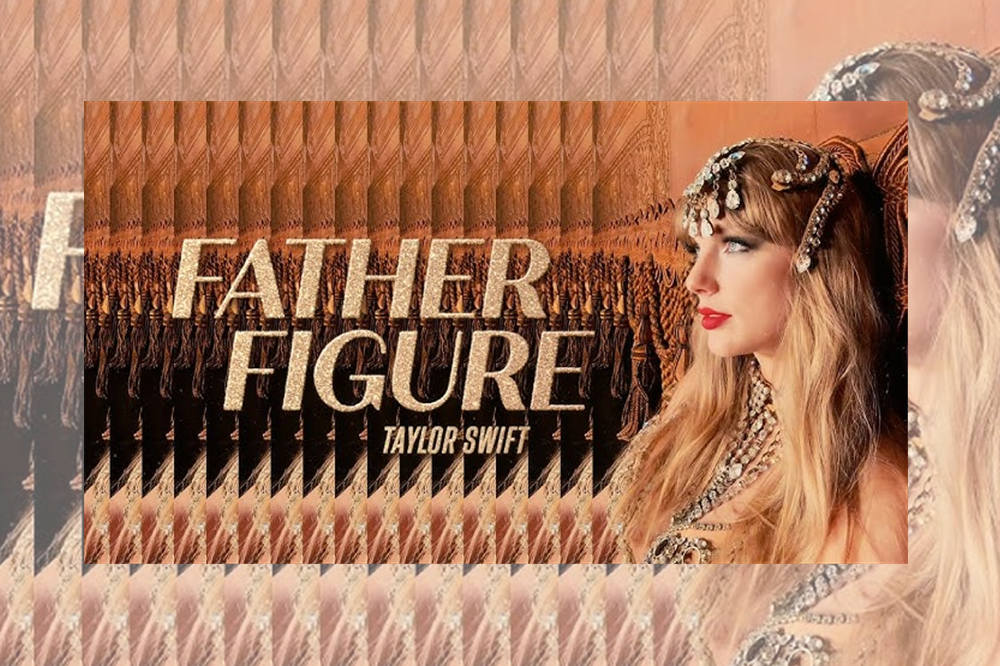
Taylor Swift’s “Father Figure” is not really about a parent. It is a dark song about mentorship, ambition, loyalty, and what happens when support turns into control.
Released on October 3, 2025, the song appears as Track 4 on The Life of a Showgirl. It also interpolates George Michael’s 1987 song of the same name, although Swift gives the phrase “father figure” a much more threatening meaning.
What Is “Father Figure” About?
The song follows a powerful mentor who discovers a younger talent and helps him enter a world of money, influence, and opportunity.
At first, the mentor appears generous. He offers guidance, protection, connections, and financial support. He sees himself as the person who made the protégé’s success possible.
The problem is that his help comes with expectations.
As the younger person becomes more confident and independent, the mentor feels threatened. He does not see that growth as a natural part of mentorship. He sees it as betrayal.
The song’s main conflict is simple: the protégé wants control of his own future, while the mentor believes past support gives him permanent authority.
How Mentorship Becomes Control
The title is partly ironic.
A healthy father figure helps someone grow into an independent person. Swift’s narrator wants the opposite. He uses everything he has provided as proof that the protégé owes him loyalty.
His language mixes affection with business. He calls the relationship a family bond, but he also treats it like an investment.
The message beneath his generosity is clear: I helped create your success, so you should remain under my control.
That tension gives the song its emotional weight. The mentor may care about the younger person, but his care is tied to power. He is comfortable helping someone rise only while that person stays beneath him.
Who Is Speaking in the Song?
Swift explained during her Tonight Show appearance that “Father Figure” is written from the mentor’s point of view.
Instead of speaking as the young artist trying to escape, she performs the role of the wealthy, confident authority figure. The narrator does not think of himself as a villain. He believes he found talent, created opportunities, and deserves lifelong respect.
That perspective allows listeners to hear how controlling people justify their behavior. The mentor believes he is protecting the protégé, even while limiting his freedom.
His accusations should not always be treated as fact. When he calls the younger person disloyal or overly ambitious, he may simply be afraid of losing his position.
The Succession Inspiration
Swift has connected the song to HBO’s Succession, especially the relationship between Logan Roy and his children.
Logan built a media empire but refuses to give up control. He wants his children to succeed, yet he also resents the possibility that one of them could replace him.
The same tension appears in “Father Figure.”
The mentor wants the protégé to become successful, but not more powerful than he is. His identity depends on being the person who controls the empire, makes the decisions, and receives the credit.
This influence shows that the song is broader than one real-life dispute. It is also a character study of powerful men who cannot accept being outgrown.
Is “Father Figure” About Scott Borchetta?
Many fans believe the song may partly reflect Swift’s relationship with Scott Borchetta, the founder of Big Machine Records.
Borchetta signed Swift as a teenager and helped launch her early career. Big Machine released her first six albums before she left the label in 2018.
Their relationship later became tied to the dispute over Swift’s original master recordings. In 2019, Borchetta sold Big Machine to Scooter Braun’s company, a deal that included the masters to those albums.
Swift objected publicly and later began rerecording her older music. In 2025, she announced that she had purchased her original masters from Shamrock Capital.
The parallels are easy to see. Borchetta was an older executive who recognized Swift’s talent, helped build her career, and later became connected to a conflict involving loyalty, control, and ownership.
However, Swift has not confirmed that the song is directly about him.
The character may combine real industry experiences, fictional influences, and broader ideas about mentorship. The Borchetta connection is a reasonable theory, but it should not be treated as confirmed fact.
Money, Family, and Power
The song uses the language of both the music business and a crime drama.
The narrator talks about wealth, protection, deals, and the empire he controls. He sounds like a record executive, corporate patriarch, and mob boss at the same time.
The word “family” is especially important. It suggests closeness, but it also implies rules. People inside the family receive protection as long as they remain loyal.
That makes the mentor’s promises feel less comforting. Protection is not freely given. It is another way of keeping the protégé dependent.
His confidence also hides insecurity. The younger person has learned enough to succeed without him, and that is what the mentor fears most.
The George Michael Connection
Swift’s “Father Figure” is not a cover of George Michael’s 1987 song. It interpolates part of the earlier composition into a new track.
George Michael’s version presents the father figure as someone offering intimacy, devotion, and reassurance.
Swift turns that idea in a darker direction.
Her narrator also offers protection, but his protection comes with conditions. He wants loyalty, influence, and control in return.
George Michael’s estate approved the interpolation after Swift’s team approached it about using the earlier composition.
The musical reference therefore does more than create nostalgia. It changes the meaning of the original phrase, turning emotional safety into a form of power.
What Does the Ending Mean?
By the end of the song, the mentor’s caring image begins to fall apart.
The protégé challenges his authority, and the narrator responds with anger. He reminds the younger person of everything he provided and uses that history as a reason to demand obedience.
The ending reveals the truth of the relationship. The mentor was supportive while his help strengthened his own position. Once the protégé tried to become independent, the support became a threat.
“Father Figure” is ultimately about the line between guidance and ownership. Helping someone succeed does not give you the right to control who they become.
Featured image source: https://www.youtube.com/watch?v=98SmlWOKuME