
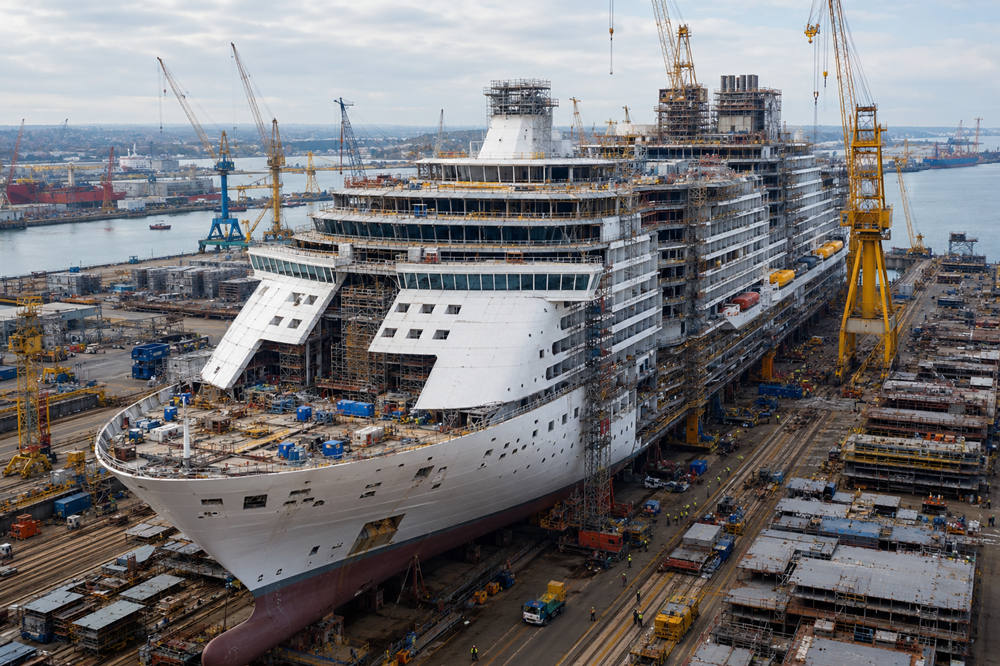
A modern cruise ship usually takes one to three years to build once physical construction begins. But if you count the early planning, design, engineering, testing, and final launch, the full process can take five years or more.
That long timeline makes sense. A cruise ship has to carry thousands of passengers safely while also running restaurants, cabins, theaters, pools, medical spaces, crew areas, engines, plumbing, power systems, and navigation equipment. It is one of the most complicated things a shipyard can build.
According to Royal Caribbean’s guide to how cruise ships are built, the construction stage alone can take anywhere from a year to three years, while the full process from concept to completion can stretch much longer.
The Short Answer
Most cruise ships take:
- 12 to 18 months for a smaller or simpler ship
- 2 to 3 years for a large modern cruise ship
- 5+ years from early idea to first passenger sailing
A good real-world example is Royal Caribbean’s Icon of the Seas. The ship was delivered on November 6, 2023, after about 900 days of design and construction by thousands of experts, according to Cruise Industry News.
Why Cruise Ships Take So Long to Build
Cruise ships are not built like regular boats. They are massive engineering projects that involve thousands of workers, designers, engineers, suppliers, and inspectors.
A shipyard has to build the hull, install the engines, connect electrical and plumbing systems, finish thousands of rooms, test safety equipment, and make sure the ship meets strict maritime rules. International passenger ships must also follow safety standards such as the SOLAS Convention, which covers minimum standards for ship construction, equipment, and operation.
The timeline also depends on the shipyard’s schedule. Only a small number of shipyards in the world specialize in building large cruise ships, including Meyer Werft in Germany, Meyer Turku in Finland, and Chantiers de l’Atlantique in France.
1. Planning and Design
Before anyone cuts steel, the cruise line and shipyard spend years planning the ship. This stage includes decisions about the ship’s size, layout, passenger capacity, fuel systems, cabin design, restaurants, entertainment areas, and safety features.
A brand-new ship class usually takes longer to design because the shipyard is not simply repeating an existing plan. Engineers have to solve new layout, weight, safety, and technology challenges before construction can begin.
A sister ship, which is based on a previous design, may move faster because the shipyard already understands the structure and building process.
2. Steel Cutting
Steel cutting is often treated as the official start of construction. During this stage, large sheets of steel are cut into pieces that will become part of the ship’s structure.
This step is usually marked by a ceremony, but it is more than a symbolic moment. It means the project has moved from design into physical production.
Cruise ships are built in large sections called blocks. These blocks are made separately and later joined together, which helps the shipyard build faster and more efficiently.
3. Keel Laying and Block Assembly
Keel laying is one of the biggest milestones in cruise ship construction. The keel is often described as the backbone of the ship.
During this stage, the first major block is placed into position in dry dock. After that, more blocks are added and welded together until the ship’s basic shape begins to form.
This part can take many months. Workers are not only joining steel sections; they are also preparing space for major systems such as engines, wiring, pipes, elevators, and ventilation.
4. Float-Out
The float-out happens when the dry dock is filled with water and the ship floats for the first time.
At this point, the ship may look almost complete from the outside, but it is usually far from ready for passengers. Many interiors still need to be finished, and major technical systems still need more testing.
After float-out, the ship is moved to an outfitting dock, where the focus shifts heavily toward interiors, equipment, and final construction work.
5. Interior Outfitting
Interior outfitting is where the steel structure starts becoming a real cruise ship.
Workers install cabins, furniture, carpets, lighting, restaurants, bars, kitchens, lounges, theaters, spa areas, signs, artwork, and public spaces. Crew areas also have to be completed, including cabins, dining rooms, workspaces, and storage areas.
Cabins are often built as modules and then installed inside the ship. Even then, each room still needs electricity, plumbing, ventilation, safety systems, and final finishing.
This stage takes time because passengers expect the ship to feel polished and comfortable, not like an industrial vessel.
6. Dockside Testing
Before a cruise ship can go to sea, many systems are tested while the ship is still at the yard. These tests may include engines, generators, elevators, alarms, fire safety systems, water systems, air conditioning, lighting, and communication tools.
This stage is about making sure the ship can function safely before open-water testing begins. If problems are found, workers fix them before the ship moves to sea trials.
7. Sea Trials
Sea trials are the ship’s major test run on open water. During sea trials, specialists check how the ship performs outside the shipyard.
They test speed, steering, braking, engine performance, stabilizers, navigation equipment, fuel systems, noise, vibration, and emergency procedures.
Sea trials can last several days, depending on the ship and what needs to be checked. If the vessel is the first of a new class, testing may be more detailed because the design has not been proven in service yet.
8. Delivery to the Cruise Line
After construction and testing are complete, the shipyard officially delivers the ship to the cruise line.
Delivery does not always mean passengers board immediately. The cruise line may still need time for crew training, supply loading, final cleaning, media previews, christening events, and short preview sailings before the maiden voyage.
Once those final steps are complete, the ship begins regular service.
What Can Delay a Cruise Ship Build?
Even with a careful schedule, delays can happen. Common reasons include:
- Supply chain problems
- Late equipment deliveries
- Labor shortages
- Design changes
- New technology that needs extra testing
- Inspection issues
- Shipyard scheduling conflicts
- Global events that affect materials or travel
A cruise ship depends on thousands of parts from many suppliers. If one important system is delayed, it can slow down several later stages of construction.
Do Bigger Cruise Ships Take Longer to Build?
In many cases, yes. Bigger ships often take longer because they have more cabins, larger public spaces, more equipment, and more complex entertainment features.
But size is not the only factor. A smaller luxury ship can also take a long time if it has custom interiors, advanced technology, or a highly detailed design.
The ship’s design matters too. A cruise line building a ship similar to one it already has may move faster than a cruise line creating a brand-new class from scratch.
How Far Ahead Are Cruise Ships Ordered?
Cruise ships are usually ordered many years before they enter service. Shipyards have limited space, and large cruise lines plan their fleets far in advance.
For example, Meyer Werft announced in 2024 that it would build four additional ships for Disney Cruise Line, with those ships scheduled to join the fleet between 2027 and 2031. That shows how early cruise lines have to plan new ships.
Final Answer
A cruise ship usually takes one to three years to build after physical construction begins. For a large modern ship, the timeline is often closer to two or three years.
If you include design, planning, engineering, shipyard scheduling, construction, sea trials, delivery, and launch preparation, the full process can take five years or more.
So the simple answer is:
A cruise ship may take 1–3 years to build, but the complete journey from idea to maiden voyage often takes 5+ years.